What to Do After Storm Tree Damage in DFW
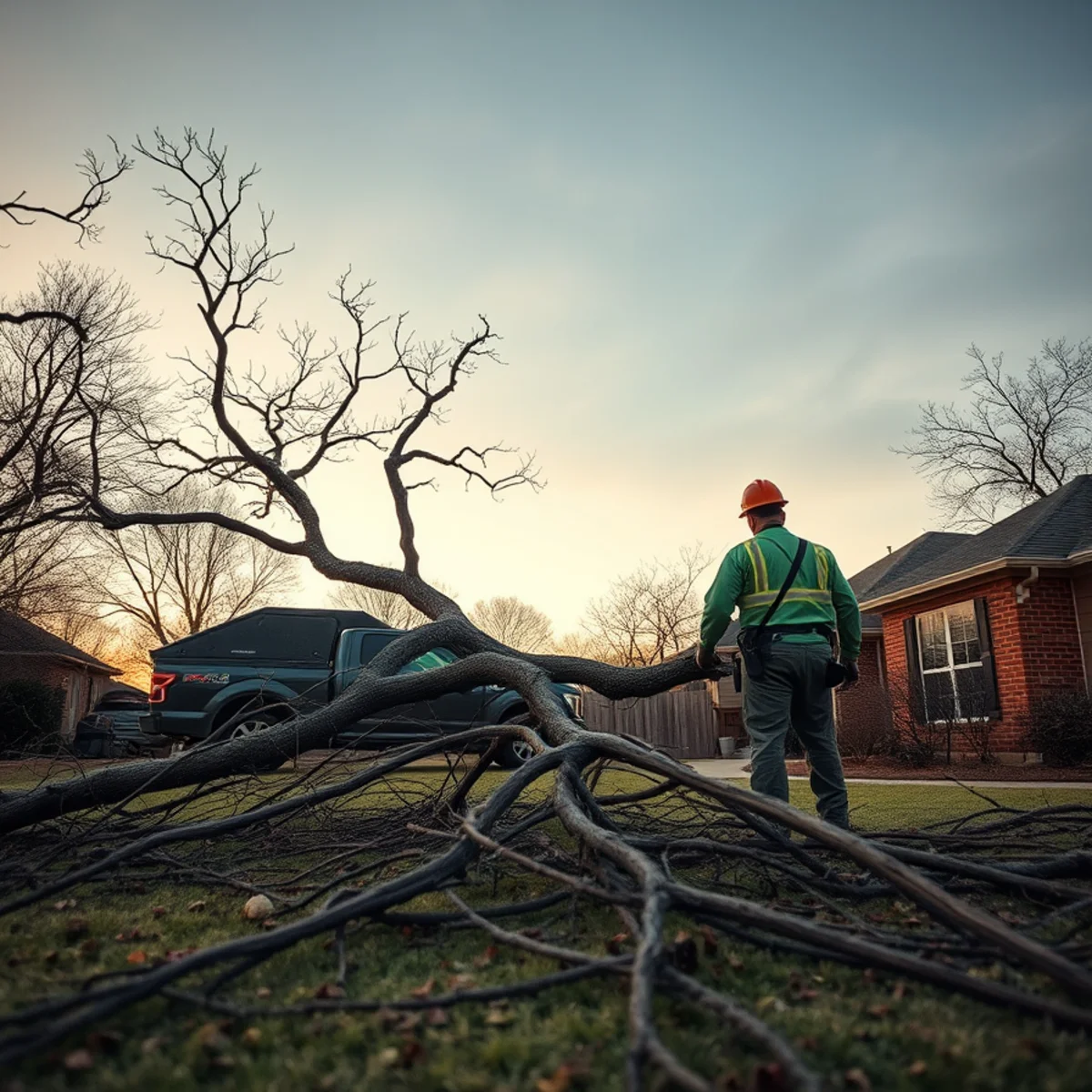
Spring and early summer in the Dallas-Fort Worth area mean one thing for trees: storms. High straight-line winds, hail, and the occasional tornado warning can snap limbs off a mature live oak or topple a brittle hackberry overnight. When you walk outside the next morning and see a split trunk or a branch resting on your roof, it is easy to panic. The good news is that a calm, step-by-step response keeps your family safe, protects your insurance claim, and prevents a bad situation from getting worse.
This guide walks DFW homeowners through exactly what to do after storm tree damage, from the first five minutes to long-term prevention. The order matters: safety first, documentation second, repairs last.
Stay safe and treat every downed line as live
Before you touch anything, stop and look up. The single most dangerous hazard after a North Texas storm is a tree or limb tangled in a power line. Energized lines do not spark or hum to warn you, and electricity can travel through a wet branch, a metal fence, or even the ground around a fallen line.
- Assume every downed or sagging line is live and deadly. Stay at least 35 feet away and keep kids and pets back too.
- Never try to move a branch that is touching a power line, cable line, or service drop to your house.
- If a tree is leaning on the line feeding your home, call Oncor (the DFW electric delivery utility) to report it before anyone goes near it.
- Watch for hidden hazards: hanging limbs that have not fallen yet, cracked trunks under tension, and footing on slick clay soil or wet debris.
- If you smell gas or see a damaged gas meter near a fallen tree, leave the area and call your gas provider from a safe distance.
Do a slow walk-around of your property in daylight only. A branch that looks stable can be holding a huge amount of stored tension, and cutting it in the wrong spot can cause it to whip or drop without warning.
Know when it is a true emergency
Not every broken branch needs a 2 a.m. phone call, but some situations should not wait until morning. Treat the following as emergencies that warrant an immediate professional response:
- A tree or large limb is resting on your roof, vehicle, or any part of your home.
- A trunk is split, leaning toward the house, or has roots lifting out of the ground.
- A limb is hung up in the canopy and could fall on a walkway, driveway, or play area.
- A fallen tree is blocking your only driveway exit or a public street.
- Anything is in contact with electrical, cable, or gas lines (here, the utility comes first, then a tree crew).
If the damage is cosmetic, a few small branches down in the yard, a torn but secure limb high in a live oak, you can usually clean up safely on the ground and schedule a crew during normal hours. When in doubt, call and describe what you see; an honest tree company will tell you whether it can wait.
Document everything for your insurance claim
Most Texas homeowners policies cover storm tree damage to structures, and sometimes the removal of the fallen tree, but the burden is on you to prove what happened. Build your record before any cleanup begins.
- Take wide photos and video showing the whole scene, then close-ups of the break, the trunk, and any structure that was hit.
- Capture context that proves a storm caused it: hail on the ground, downed fences, scattered debris across the yard.
- Note the date and time, and save any local weather or storm alerts for that day.
- Call your insurance carrier promptly to open a claim and ask what your policy covers for removal versus structural repair.
- Keep receipts for any emergency work, tarps, or temporary repairs you pay for to prevent further damage.
One practical tip: insurers often distinguish between a tree that hit a structure and one that simply fell in the open yard. Clear photos make that conversation much easier. A reputable local tree service can also provide a written assessment and itemized estimate that supports your claim.
Why storm cleanup is a job for trained pros
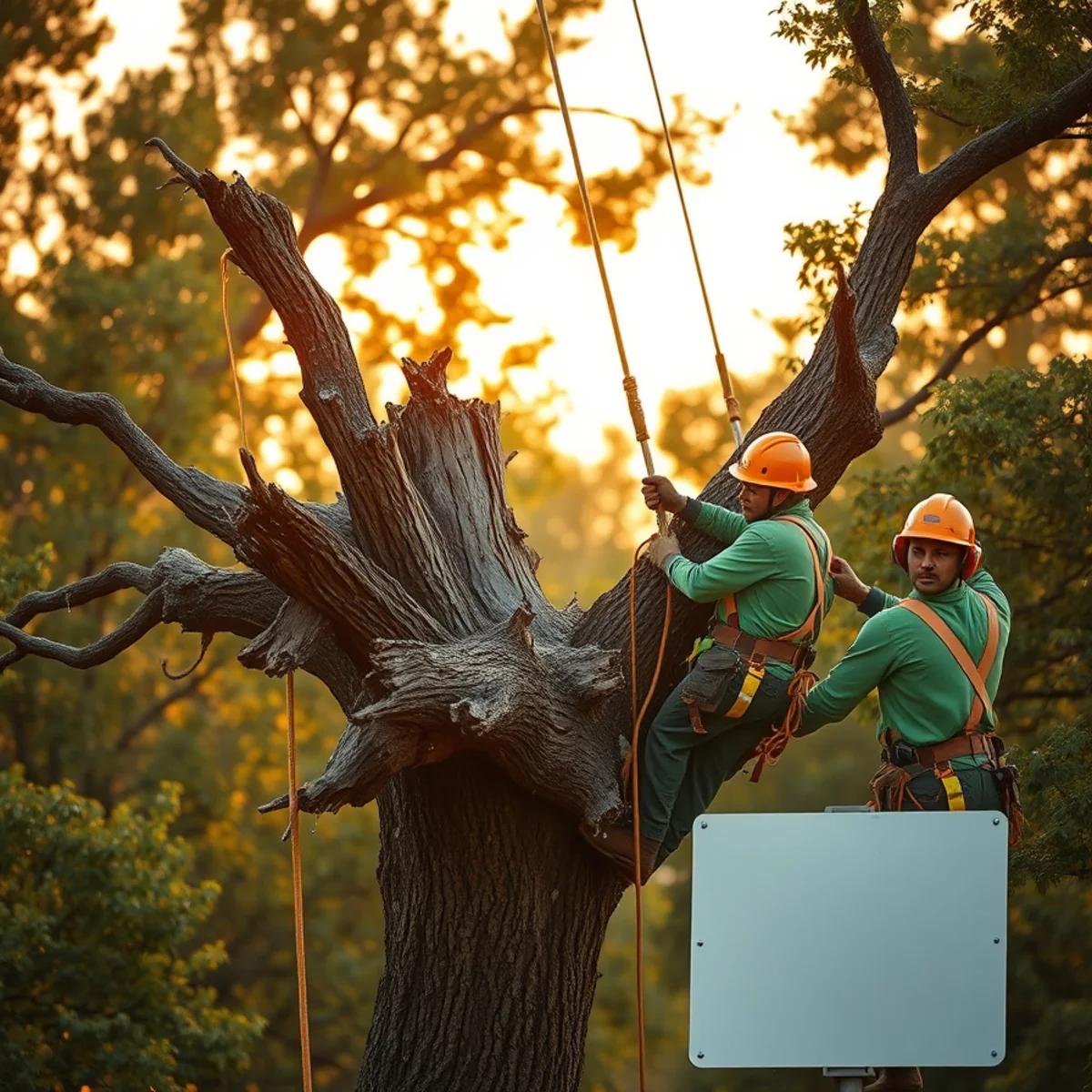
Chainsaw injuries spike after every major storm, and most happen to homeowners doing work that looks simpler than it is. Storm-damaged wood behaves differently from a healthy tree: limbs are under spring-loaded tension, trunks can be cracked internally, and a partially uprooted tree can shift suddenly.
- Hung-up and overhead limbs require rigging and rope work, not a ladder and a hope.
- Cutting tensioned wood without reading the load can cause kickback or a sudden, violent release.
- Anything within reach of a power line should only be handled after the utility has made it safe.
- Proper cleanup means hauling away the brush and grinding stumps, not leaving a pile to rot in expansive clay soil where it invites pests.
A licensed and insured crew brings the climbers, rigging, and well-maintained equipment to take the tree apart in a controlled way, then clean up so thoroughly it looks like we were never there. That last part matters in North Texas, where leftover debris and sawdust can smother turf and clog storm drains before the next downpour.
Prevent the next storm from doing it again
DFW will always get storms, but a well-maintained tree is far more likely to survive one. Most catastrophic failures trace back to problems that were visible long before the wind arrived.
- Schedule structural pruning to remove dead, weak, and crossing limbs and to reduce heavy end weight that catches the wind.
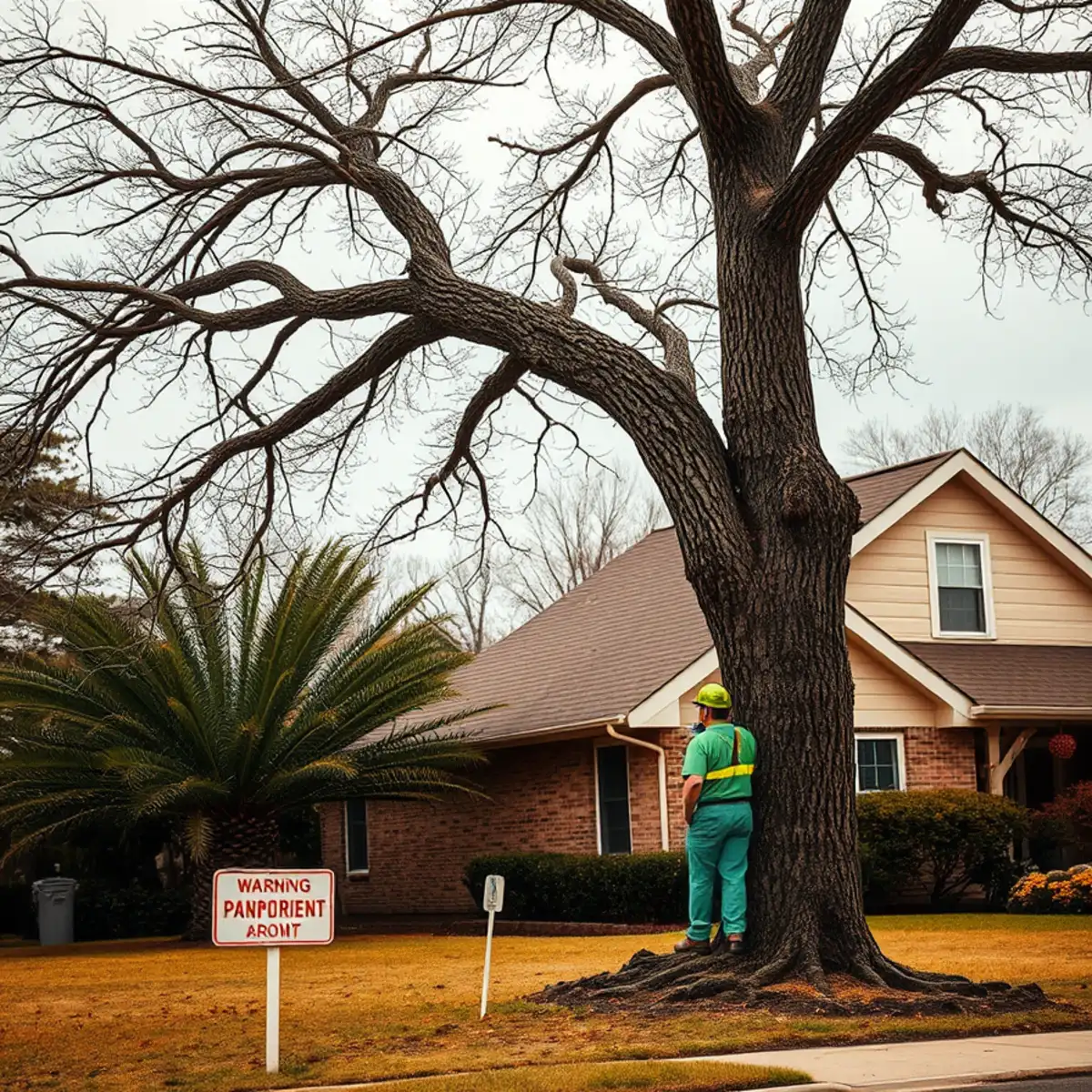
- Watch for warning signs: cracks in major branch unions, mushrooms at the base, leaning, and exposed or heaving roots.
- Address drought and freeze stress; trees still recovering from events like the February 2021 freeze are more brittle and prone to limb failure.
- Respect the oak wilt window. Avoid pruning oaks from February through June in North Texas; for non-emergency oak work, wait for the cooler dormant season.
- Have large or mature trees near the house inspected periodically so small defects get corrected before they become a storm liability.
Prevention is almost always cheaper and safer than emergency removal, and it protects the shade and curb appeal that make these old DFW trees worth keeping.
Get a free estimate from Sion Tree Service
If a storm has left damage in your yard, you do not have to sort it out alone. Sion Tree Service is a locally owned Fort Worth crew serving the entire DFW metroplex, open daily from 6 a.m. to 7 p.m., with fast, often same-day or next-day response when storms hit. We are licensed and insured, we quote honestly with the price you are told being the price you pay, and we leave your property spotless. Call (208) 635-2100 for a free, no-pressure estimate, and let us handle the dangerous work so you can get back to normal.
Can this tree be saved, or does it have to come out?
Once the immediate hazards are handled, the hardest call is whether a battered tree is worth keeping. A live oak or pecan can look ruined the morning after a derecho and still pull through, while a tree with far less obvious damage may be a goner. The decision comes down to a few structural questions, not how messy the canopy looks.
Walk the tree with these benchmarks in mind before you spend money on either removal or repair:
- Crown loss: a healthy hardwood that kept more than half its canopy usually recovers; once it loses well past half, it rarely has the reserves to refoliate and reseal wounds.
- Trunk splits: a crack running deep into the main stem, or a co-dominant trunk that has peeled apart at a weak V-shaped union, is almost always a removal. These do not heal back to full strength, and crepe myrtles, Bradford pears, and tight-forked cedar elms split this way constantly in DFW wind.
- Bark stripped around the trunk: if more than a third of the bark is gone around the circumference, the tree cannot move water and sugars past the wound and will decline.
- The central leader and major scaffold limbs: on a younger tree, if the leader survived and the framework is intact, prune the broken wood cleanly and give it a season to respond.
- Roots: soil heaving, lifted turf, or a root plate tearing out of our heavy Blackland clay means the tree is destabilized even if the canopy looks fine. That is a hazard, not a wait-and-see.
When a tree sits in the gray zone, you can often wait and watch through one growing season rather than removing in a panic. A tree that pushes healthy new leaves and buds the following spring told you it had the reserves to recover. The exception is anything leaning over a house, a driveway, or a fence line, where the risk of waiting outweighs the chance of saving it. Resist the urge to top a damaged oak or elm to clean it up fast, topping triggers weak, densely clustered regrowth that is far more likely to tear out in the next round of spring storms.
Avoid the storm-chasers who roll into DFW after a big blow
After a wide-area hail or wind event across Tarrant, Parker, and Denton counties, out-of-town crews show up fast, knock on doors, and pressure homeowners to sign on the spot. Some do acceptable work; many leave hack jobs, flush cuts, and uncleaned messes, or vanish with a deposit. A few minutes of vetting protects you and your insurance claim.
- Be wary of anyone going door to door the same day, quoting a price that is only good if you sign right now. Reputable local crews do not run that play.
- Ask for proof of liability and workers compensation insurance, and confirm it is current. If an uninsured cutter is hurt in your yard, you can be on the hook.
- Never sign your insurance check over to a contractor, and never hand over a large cash deposit before any work is done. Pay for completed work you can inspect.
- Get the scope in writing: what is being removed, whether stumps are ground, and whether all brush and debris are hauled off, not left to rot in the clay and draw pests.
- Favor an established company with a local address and a real review history in Fort Worth and the surrounding cities, not an out-of-state plate that disappears after the season.
A storm is stressful enough without a bad contractor making it worse. Slow down for ten minutes, verify who you are dealing with, and you will avoid the most common way homeowners get burned in the days after the wind dies down.
FAQs
No. Treat every downed or sagging line as live and deadly, even if it is not sparking. Stay at least 35 feet away, keep kids and pets back, and call Oncor to report it. A tree crew can only work safely once the utility has handled the line.
Most Texas policies cover storm damage to structures and often the removal of a tree that hit your home, though coverage varies. Document everything with photos and video before cleanup, open a claim promptly, and ask your carrier specifically what it covers for removal versus repair.
We are open daily from 6 a.m. to 7 p.m. and respond fast after storms, often the same day or next day depending on conditions and call volume. Call (208) 635-2100 to describe the damage and we will tell you honestly whether it is an emergency or can be scheduled.
For a tree in the gray zone that is not an immediate hazard, give it one full growing season. If it pushes healthy new leaves and buds the next spring, it had the reserves to recover and can usually be kept with proper pruning. A tree that fails to leaf out, or one leaning over a structure, should not be left to wait.
Topping cuts limbs back to stubs, which removes the canopy the tree needs and forces weak, crowded regrowth from the cut sites. Those new shoots are poorly attached and far more likely to tear out in the next DFW windstorm, so topping trades a quick cleanup for a bigger hazard later. Proper structural pruning at the branch collar is the healthier fix.
No. Avoid large upfront deposits and never endorse your insurance check over to a contractor, both are common ways storm-chasers take money without finishing the work. Pay for completed work you can inspect, and get the full scope, including debris haul-off and stump grinding, in writing first.