Dead Tree Removal: A Safety Guide
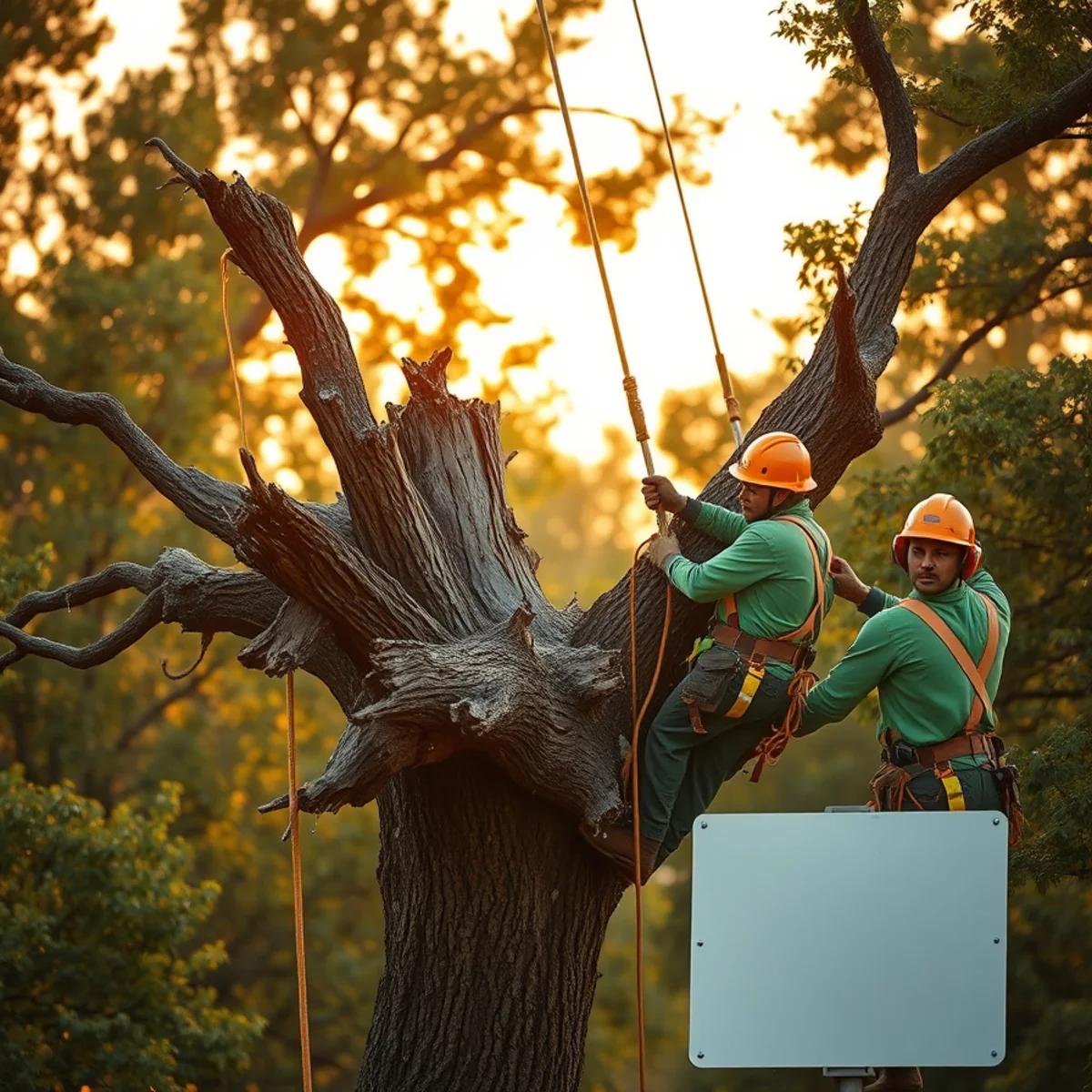
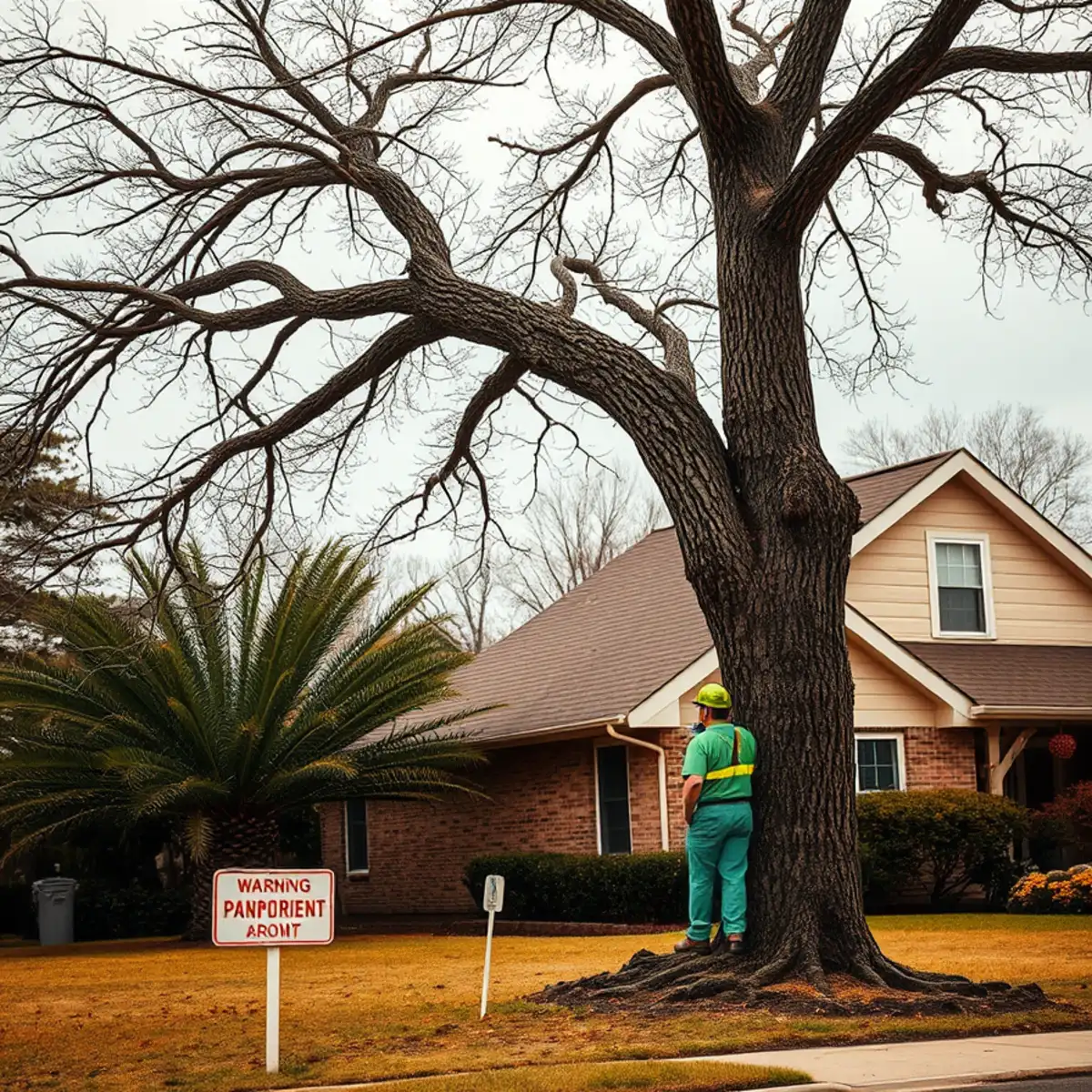
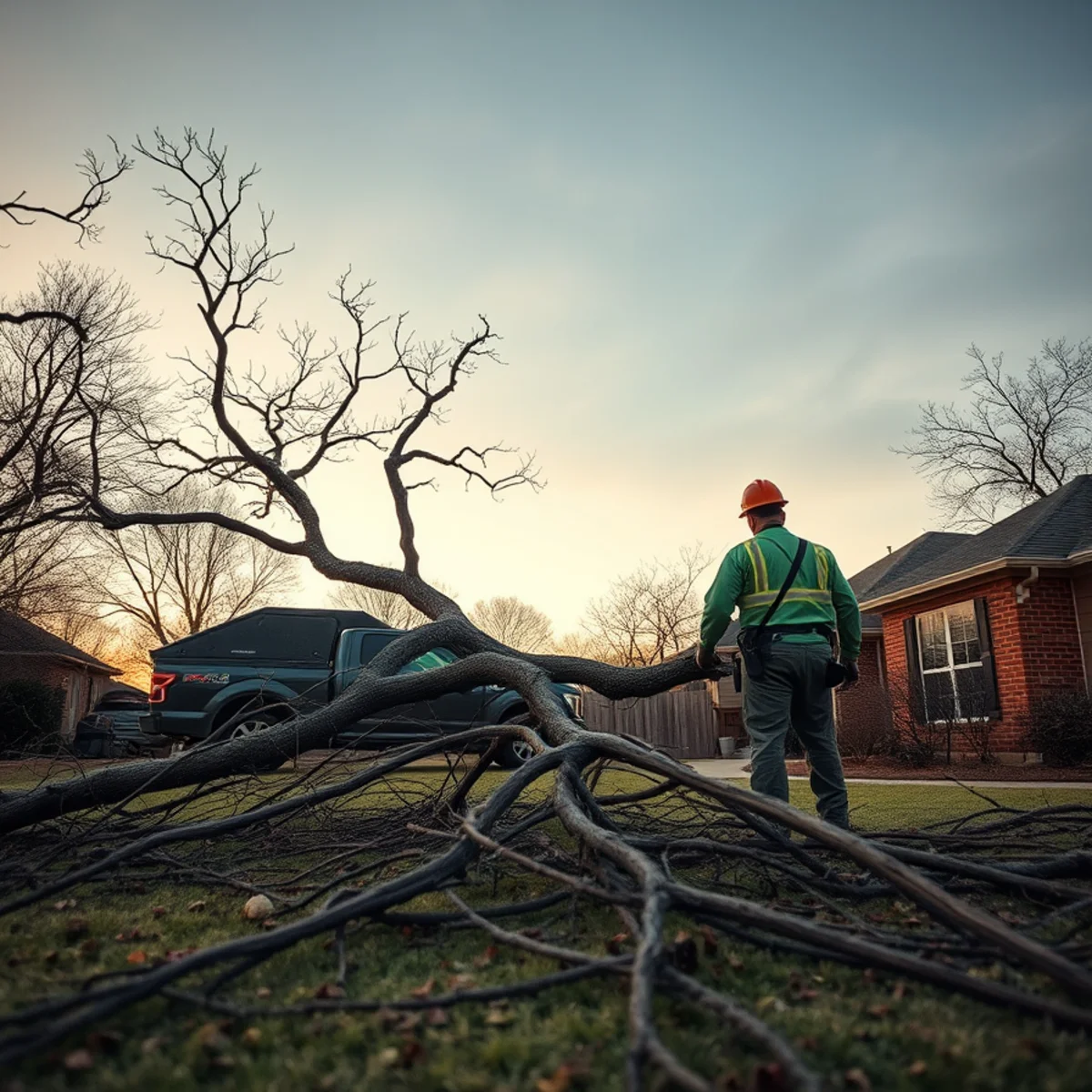
A dead tree in your yard is not a problem you can wait out. In the Dallas-Fort Worth heat, drought cycles, and spring storm season, a dead or dying tree loses strength faster than most homeowners expect — and the failure usually comes without warning. One strong gust off a North Texas thunderstorm, and a brittle limb or whole trunk can come down on a roof, fence, vehicle, or worse.
This guide walks through why dead trees are dangerous, how to recognize the warning signs on our native species, the real liability you carry as a property owner, why DIY removal goes wrong, and what a safe professional removal actually looks like.
Why a dead tree is more dangerous than it looks
A living tree flexes. Healthy wood bends in the wind and sheds load through its canopy. Once a tree dies, that flexibility is gone. The wood dries out, fungus and insects break down the fibers from the inside, and the structure becomes rigid and brittle. What looks like a solid trunk can be hollow or punky at the core while the bark still looks intact.
In Fort Worth specifically, several local stressors speed this decline:
- Expansive clay soil that swells and shrinks with our wet-dry swings, tearing fine roots and loosening a tree's anchor
- Drought stress from long, hot summers that quietly kills sections of the canopy
- Lingering damage from the February 2021 freeze, which set up many post oaks, live oaks, and crepe myrtles for slow decline
- Spring hail, straight-line wind, and storms that overload already-weakened limbs
- Oak wilt, which can take down a healthy-looking red oak in a single season
Warning signs your tree is dead or failing
Dead trees rarely announce themselves all at once. Watch for these signals, especially on our native post oak, live oak, cedar elm, pecan, and hackberry:
- No leaves in spring, or leaves only on part of the canopy while bare limbs stay bare
- Bark falling off in large sheets, leaving smooth wood exposed
- Brittle limbs that snap cleanly instead of bending, with no green under the bark when scratched
- Mushrooms or shelf fungus growing at the base or on the trunk — a sign of internal rot
- Deep vertical cracks, hollow-sounding wood, or carpenter ants and other insects moving in
- A noticeable lean that has gotten worse, or soil heaving and roots lifting on one side
If you see fungus at the base combined with a lean, treat the tree as urgent. Root and butt rot means the failure point is at ground level, where the whole tree can go over at once.
The property and liability risk
Once a tree is visibly dead or hazardous, the situation changes for you as an owner. A limb that falls from a tree you knew was dead is different, in the eyes of an insurer or a neighbor, from a healthy tree that fails in a freak storm. Dead trees near a property line, a driveway, a power service drop, or a structure are exactly the cases that lead to disputes and denied claims.
Think about what sits inside the fall radius: your roof and gutters, the neighbor's fence, parked vehicles, a kids' play area, the garage, and overhead lines. A dead tree leaning toward any of those is borrowed time. Documenting the hazard and removing it promptly is the responsible — and usually the cheaper — path.
Why DIY dead tree removal goes wrong
Removing a healthy tree is already skilled, dangerous work. Removing a dead one is worse, because the material you are climbing, cutting, and standing under cannot be trusted. Dead wood does not behave predictably, and that is what gets people hurt.
- Brittle, hollow limbs break under a climber's weight or fall in unexpected directions when cut
- A trunk that looks solid can be rotten at the hinge, so it falls early or twists off the intended drop zone
- Chainsaw kickback, ladder falls, and chipper injuries are leading causes of serious tree-work accidents
- Dead branches high in the canopy — widow-makers — can drop on their own while you work below
- Trees near power lines require trained line-clearance procedures; contact can be fatal
- Most homeowner insurance does not cover an uninsured neighbor or hired helper who gets hurt in your yard
There is also the cleanup reality. A felled dead tree leaves a heap of brittle wood and brush, and without a chipper and a way to haul it, most DIY jobs stall half-finished.
What safe professional removal looks like
A trained crew approaches a dead tree as a controlled, planned operation rather than a single big cut. At Sion Tree Service, the process generally runs like this:
- Assessment — we inspect the tree's lean, rot, root condition, and everything in the fall zone, then plan the safest direction and method
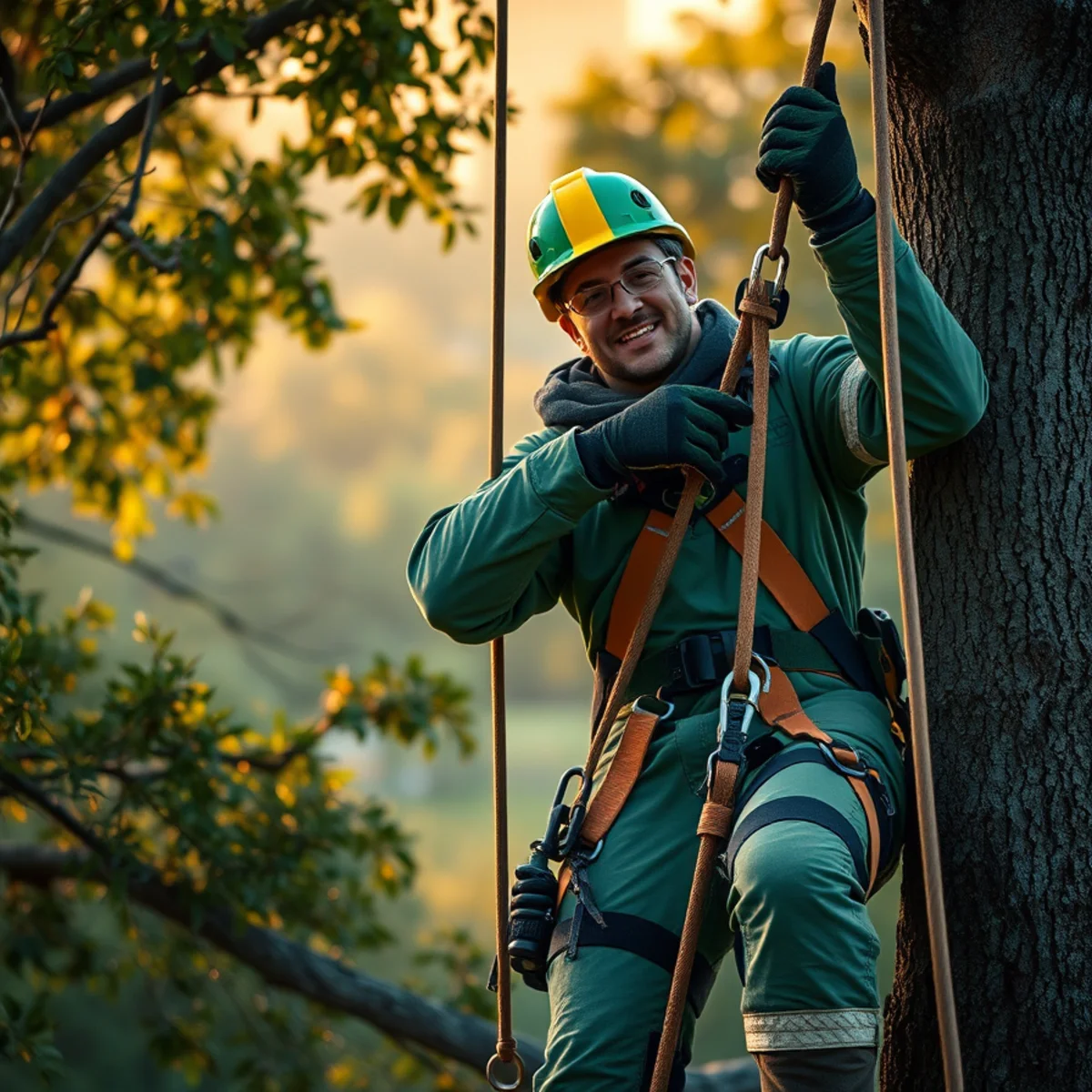
- Rigging or sectional removal — for trees over a structure, fence, or tight access, climbers take the tree down in pieces, lowering each section with ropes instead of dropping the whole trunk
- Controlled felling — where there is open space and a sound base, the tree is felled in one direction using proper notch-and-hinge technique
- Stump handling — we grind the stump or leave it per your preference and the site
- Complete clean-up and haul-away — we chip the brush, clear the debris, and rake the area so it looks like we were never there
One note specific to oaks: we avoid pruning live oaks and red oaks during the high-risk oak wilt window from February through June whenever the work is elective. For a fully dead tree that has to come out, removal can proceed, and we'll talk through any nearby healthy oaks so the rest of your trees stay protected.
What affects the cost of removal
Every dead tree is different, so honest pricing depends on the specifics rather than a flat rate. The main factors are the tree's size and species, how close it is to structures and power lines, whether climbing and rigging are required versus an open drop, access for equipment, and whether you want stump grinding and full debris removal. We quote after looking at the tree, and the number we quote is the number you pay — no surprises at the end.
If you have a tree that has lost its leaves, dropped large limbs, or started leaning toward your home, don't wait for the next storm to make the decision for you. Sion Tree Service is locally owned and operated, licensed and insured, open daily from 6 AM to 7 PM, and we serve Fort Worth and the wider DFW metroplex with fast, often same-day or next-day response. Call (208) 635-2100 for a free, no-pressure estimate, and we'll tell you honestly whether your tree needs to come down.
Do you need a permit to remove a dead tree in Fort Worth?
For most homeowners the answer is no, but the exemption is narrower than people assume. The City of Fort Worth generally lets you remove a single dead, dying, diseased, or hazardous tree from a single-unit residential lot under one acre without an Urban Forestry permit. Step outside those lines and the rules change quickly, and a 2025 ordinance update expanded the list of protected species and sharply raised the penalties for cutting one without approval.
Before you take a dead tree down yourself or hire anyone, it is worth confirming where your situation falls:
- Lots over one acre and multi-unit properties typically need an Urban Forestry permit even for removals
- Heritage and significant trees are never exempt, even when they are dead or hazardous, so a large old post oak or pecan may still require city sign-off
- The protected-species list grew under the 2025 ordinance, and penalties now run hundreds of dollars per inch of trunk diameter for unauthorized removal
- Trees in the public right-of-way between the sidewalk and the street are city-managed, not yours to cut
- Documentation helps regardless of permit status, so photograph a dead or hazardous tree before it comes out in case a question comes up later
When you are not sure, the Fort Worth Urban Forestry office at (817) 392-7933 can tell you whether your specific tree is exempt. A reputable local crew should already know these rules and flag a permit issue before any saw touches the wood, rather than after.
When the dead tree is your neighbor's, or sits on the property line
A dead tree leaning over the fence from next door is one of the most common calls we get, and it is also one of the trickiest. In Texas, you generally cannot walk onto a neighbor's property and remove their tree, and you cannot do anything that kills it. What you can do is trim branches that cross onto your side, back to the property line, as long as the trimming does not destroy the tree.
The bigger question is liability, and here written records matter. If a neighbor's tree is obviously dead or hazardous, the responsible step is to notify them in writing about the danger and keep a copy. A North Texas storm that drops a healthy tree is usually treated as an act of nature, but a tree the owner knew was dead and ignored is a different story if it lands on your roof or fence.
- Tell your neighbor in writing that the tree appears dead or hazardous, describe what you see, and date it
- Keep copies of the notice and any reply, plus dated photos of the tree's condition
- A tree growing directly on the boundary line is usually shared property, so neither owner can remove it alone without the other's consent
- If the tree is clearly on your neighbor's side, the removal and cost are generally theirs, not yours
- For anything ambiguous or contentious, a written estimate and an honest assessment from a licensed crew give both parties something concrete to work from
We are happy to look at a boundary or neighbor-owned tree and tell you plainly whose side it is on and how dangerous it actually is. That kind of clear, documented read often settles a fence-line disagreement before it turns into a claim.
FAQs
Scratch a small twig or branch with a knife. Green and moist underneath means it's still alive; brown, dry, and brittle means that section is dead. Bare limbs in spring, bark peeling off in sheets, mushrooms at the base, and limbs that snap cleanly instead of bending all point to a dead or dying tree. A professional can confirm whether the whole tree is gone or just part of the canopy.
It is far riskier than removing a healthy tree. Dead wood is brittle and unpredictable, hollow trunks can fail before you expect, and high dead limbs can drop on their own. Add chainsaws, ladders, and any nearby power lines, and a DIY dead-tree removal is one of the most dangerous jobs a homeowner can attempt. For anything near a structure, fence, or power line, hire a licensed and insured crew.
We respond quickly and can often schedule same-day or next-day service for hazardous trees, depending on the situation. We're open daily from 6 AM to 7 PM across Fort Worth and DFW. Call (208) 635-2100 for a free estimate, and if a tree is leaning toward your home or has dropped large limbs, let us know it's urgent so we can prioritize it.
Usually not, if it is a single dead, dying, diseased, or hazardous tree on a single-unit residential lot under one acre. Permits are still required for larger or multi-unit lots and for protected heritage or significant trees, even when those trees are dead. When in doubt, the Fort Worth Urban Forestry office at (817) 392-7933 can confirm whether your specific tree is exempt.
No. In Texas you generally cannot remove a tree that belongs to your neighbor, and you cannot take action that kills it. You may trim branches that hang over onto your property back to the property line, and the best move is to notify your neighbor in writing about the hazard and keep a dated copy in case it ever falls and causes damage.
It depends on where the tree stood and whether the owner knew it was dangerous. A healthy tree that fails in a storm is usually treated as an act of nature, with each owner handling damage on their own side. A tree the owner knew was dead and left standing can shift responsibility to that owner, which is why written notice and dated photos of the hazard are worth keeping.