Tree Health Care & Disease Treatment in Fort Worth, TX
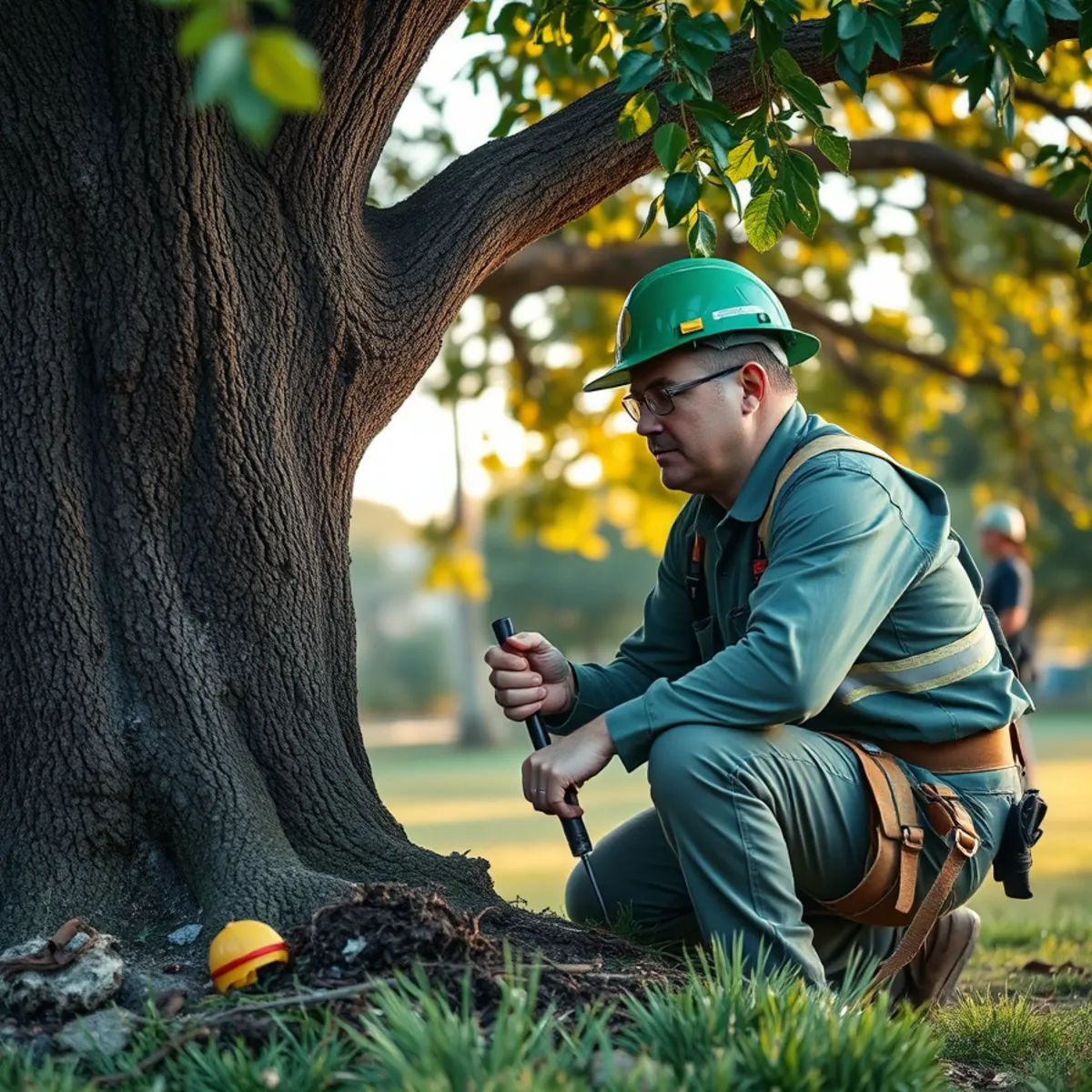
Tree Health Care & Disease Treatment in Fort Worth gives your trees a fighting chance against the pests, pathogens, and stress that hit North Texas hardest. At Sion Tree Service, owner-operator Edgar and our trained crew diagnose what's really going on before recommending a plan, whether that's oak wilt management, treating a fungal canker, knocking back scale or emerald ash borer, or deep-root fertilization to help a drought-stressed tree recover.
Tree Health Care & Disease Treatment in Fort Worth gives your trees a fighting chance against the pests, pathogens, and stress that hit North Texas hardest. At Sion Tree Service, owner-operator Edgar and our trained crew diagnose what's really going on before recommending a plan, whether that's oak wilt management, treating a fungal canker, knocking back scale or emerald ash borer, or deep-root fertilization to help a drought-stressed tree recover.
We work the way good arborists should: careful inspection first, honest answers second, and treatment only when it'll actually help. We won't promise to cure every problem, because no responsible tree company can. What we can promise is a clear picture of your tree's condition, locally specific recommendations built around DFW's clay soils and oak wilt timing, and clean, respectful work from a local company that treats your property like our own.
What's Included
- On-site inspection and diagnosis of symptoms like dieback, leaf spotting, wilting, bark cankers, or unusual sap and fungal growth
- Oak wilt assessment, including signs of vascular streaking and guidance on root-graft and beetle transmission risks
- Identification of fungal diseases such as hypoxylon canker and anthracnose, with realistic management options
- Pest evaluation and treatment planning for emerald ash borer, scale, and other common DFW insect pests
- Deep-root fertilization tailored to your soil and the specific needs of the tree
- Drought-stress and freeze-recovery care, including watering guidance and structural assessment
- Recommendations on proper pruning timing, especially the February-through-June oak no-prune window
- Full clean-up and haul-away of any removed limbs, debris, and treatment materials
- Root-graft trench line layout between live oaks to break underground oak wilt spread, cut with our compact track loader to the depth and offset the situation calls for
- Coordination of fungicide macro-injection programs through a Texas Department of Agriculture Licensed Applicator, with honest guidance on which high-value oaks are worth a preventive program and which are too far gone
- Soil decompaction and air-spading around the root flare and critical root zone to relieve the suffocation that DFW clay and old construction fill cause
- Mulch-volcano correction and a proper flat mulch ring pulled back off the trunk, plus inspection for stem-girdling roots strangling the trunk below grade
- Sanitation protocol on every job, disinfected saws and tools between trees and no movement of unseasoned red oak firewood, so we do not carry oak wilt or canker fungi from tree to tree
When to Call for Tree Health Care
- Leaves are wilting, browning, or dropping out of season, or one side of the tree is dying back
- You see streaking under the bark, sudden canopy decline, or other signs that could point to oak wilt
- Dark, crusty cankers, sloughing bark, or fungal growth are appearing on the trunk or major limbs
- An ash tree shows thinning, D-shaped exit holes, or woodpecker damage that may signal emerald ash borer
- A valued tree looks stressed after drought, the 2021 freeze, or storm damage and you want a professional plan before it worsens
- You are about to do construction, a driveway, a pool, or grading within the drip line of a mature post oak or live oak and want a root-protection and health plan before the soil gets compacted
- A neighbor's oak was confirmed with oak wilt, or you see a fast-browning oak within a few hundred feet, and you want your trees assessed and possible trench lines mapped before it jumps root grafts onto your lot
- Mushrooms, conks, or a soft, hollow-sounding area are showing at the base or on the trunk of a tree near your house, driveway, or play area
- A landscaper piled mulch high against the trunk, or you notice roots circling the base at the soil line, and the canopy has started thinning from the top down
Why Tree Health Care Pays Off
Diagnosis before treatment
We identify the actual problem, oak wilt, hypoxylon canker, anthracnose, borers, scale, or simple drought stress, before recommending anything, so you don't pay for treatments your tree doesn't need.
Local, season-aware care
Our recommendations account for North Texas realities like oak wilt spread, expansive clay soil, and the no-prune window for oaks from February through June. The right care at the wrong time can do more harm than good.
Deep-root fertilization that fits the soil
DFW's heavy clay locks up nutrients and starves roots of oxygen. Targeted deep-root feeding delivers what trees actually need below the compacted surface, supporting recovery from drought and freeze damage.
Honest, no-pressure guidance
Sometimes the best advice is to monitor, improve watering, or remove a tree that's beyond saving. We tell you the truth and let you decide, with no upselling.
Pest and disease management
From emerald ash borer and scale to fungal pathogens, we use careful, appropriate methods to slow problems down and protect the healthy trees nearby.
Clean, respectful service
Every visit ends with a full clean-up and haul-away. We leave your yard looking like we were never there, just with healthier trees.
How Our Tree Health Care Works
Free estimate and inspection
We come out, walk your property, and inspect the affected trees up close, looking at symptoms, soil conditions, and the surrounding canopy. You get a clear, no-pressure assessment at no cost.
Diagnosis and honest plan
We explain what we're seeing in plain language, lay out realistic options, and tell you straight if a tree can be helped, should be monitored, or is beyond saving. Your quote is firm before any work begins.
Targeted treatment
We carry out the agreed plan, whether that's deep-root fertilization, pest or disease management, corrective pruning at the right time of year, or careful removal, using safe methods and proper equipment.
Clean-up and follow-up guidance
We haul away all debris and leave your yard spotless, then give you simple watering and monitoring tips so you know how to support the tree going forward.
What Drives Your Tree Health Care Cost in Fort Worth
Pricing depends on the size and number of trees, the specific problem and how advanced it is, the treatment approach involved, and site access. Diagnosing and managing oak wilt or a fungal canker takes more than a straightforward fertilization visit, so every situation is a little different. We provide free estimates and honest, quoted-equals-final pricing, so you'll know the cost up front before any work starts.
Diagnosis vs. treatment
A straightforward inspection and watering plan is far less than a full injection or trenching program. Cost climbs with the complexity of the diagnosis and how invasive the treatment needs to be.
Trunk diameter (DBH)
Injection and fertilization volumes scale with the diameter of the tree at breast height, so a large heritage live oak takes more product and labor than a young one. Bigger trunks mean more drill points and more material.
Number of trees and the treatment cycle
Oak wilt and emerald ash borer programs are repeated on a roughly two-year cycle, and treating a stand of live oaks costs more than a single tree. We price the whole program honestly, not just the first visit.
Trenching and equipment time
Cutting a root-graft trench line between oaks adds machine and operator time that depends on trench length, soil, and how many utilities have to be located and avoided first.
Severity and stage of the problem
A lightly affected tree caught early is cheaper to manage than an advanced infection that may force removal of a large, declining tree near a structure.
Site access and obstacles
Tight backyards, fences, slopes, irrigation lines, and underground utilities all affect how long the work takes and what equipment can reach the tree.
The local details most companies skip — what every Fort Worth homeowner should understand about tree health care & disease treatment before the work begins.
Oak Wilt Management in Fort Worth: Trenching, Injections, and Stopping the Spread
Oak wilt is the most serious tree disease in North Texas, and how it spreads is exactly why a careless crew can make it worse. It moves two ways here: underground through grafted roots, where one infected live oak feeds the fungus to its neighbors through connected root systems, and overland when sap-feeding beetles pick up spores from fresh wounds or from fungal mats on dead red oaks and carry them to a freshly pruned tree. That second route is why the February-through-June no-prune window exists, why every cut on an oak should be sealed immediately, and why moving unseasoned red oak firewood across town is such a bad idea.
How we approach a suspected oak wilt situation
- Inspection and pattern reading first, distinguishing oak wilt from hypoxylon canker, drought scorch, and herbicide damage before anyone touches the tree, because the wrong call wastes money or fells a tree for nothing
- Root-graft trenching, where we use a compact track loader to cut a trench line between healthy and infected live oaks to sever the underground connections the fungus travels through
- Coordinating preventive macro-injection of propiconazole through a Texas Department of Agriculture Licensed Applicator for high-value, not-yet-infected oaks that justify a multi-year program
- Honest removal recommendations for red oaks that can form spore-producing mats, handled with sanitized equipment so we do not seed the rest of your property
We will not promise to cure an infected tree, because oak wilt does not work that way. What we will do is map the realistic options, tell you which trees are worth protecting and which are a loss, and make sure the work is sequenced so a small problem on one tree does not become a block-wide outbreak.
Reading the Real Cause: Diseases, Borers, and Soil Stress on DFW Trees
Most calls we get about a 'dying tree' in Fort Worth trace back to one of a handful of culprits, and they are easy to confuse from the curb. A correct diagnosis is the difference between a tree you can still help and money spent on the wrong treatment. Here is how the common North Texas problems actually present.
- Oak wilt: live oaks browning along leaf veins, red oaks dying quickly often from the top, fast canopy loss, and decline that jumps from tree to tree in a line
- Hypoxylon canker: bark sloughing off in sheets to reveal a silver, brown, or olive crust, almost always on a post oak or red oak already stressed by drought or root damage, with no cure and removal usually the safe call
- Anthracnose: blotchy, brown leaf spotting and early leaf drop in cool, wet springs on species like cedar elm and sycamore, usually cosmetic and rarely fatal on an otherwise healthy tree
- Emerald ash borer: thinning from the top of an ash, D-shaped exit holes, S-shaped galleries under the bark, and woodpecker flecking, where preventive injection only makes sense on a healthy, high-value ash near known activity
- Scale and other sucking insects: sticky honeydew, black sooty mold, and yellowing, often manageable without dousing the whole tree in chemicals
Why DFW clay and old fill dirt are usually part of the story
Many 'diseases' are really a stressed tree that a secondary pest finished off. Our heavy clay drains poorly and starves roots of oxygen, builders often pile fill dirt over root flares, and irrigation either drowns or droughts the tree. Air-spading to expose the root flare, relieving compaction, correcting watering, and fixing a too-deep planting or mulch line frequently does more good than any injection, because a tree with a healthy root zone fights off pests far better on its own.
How to Vet a Tree Health Company in Fort Worth (and Avoid Storm-Chasers)
Tree health work attracts bad actors, especially after spring hail and wind storms roll through Tarrant and Parker counties and out-of-town crews follow the damage. Because injections and removals are hard to undo, a few minutes of vetting protects both your trees and your wallet. Use the same checklist on us that you would on anyone.
Questions worth asking before you sign anything
- Ask to see proof that the person injecting fungicide holds a Texas Department of Agriculture applicator license, and confirm the specific product and dose in writing
- Ask for the diagnosis by name, the actual pathogen or pest, not just 'your tree is sick,' so the treatment provably matches the problem
- Ask for current liability and workers' compensation insurance, and verify it directly, since an uninsured injury or a dropped limb on your house can land on you
- Be skeptical of any unsolicited door-knocker who insists your healthy oak needs an immediate, expensive injection today, which is a classic high-pressure tactic
- Get a second opinion before approving the removal of a large, valuable tree, because a heritage live oak cannot be put back
Sion Tree Service is locally owned, licensed and insured, and works with trained climbers and well-maintained equipment, and we would rather you ask hard questions and feel confident than feel rushed. If a tree can be saved, we will tell you how. If it cannot, we will tell you that too, and we will never push a treatment your tree does not need.
Smart Homeowner Tips Before You Hire Anyone
A few habits that protect your wallet, your property, and your insurance claim — whether you hire us or not.
Demand to see a Texas Department of Agriculture applicator license before anyone injects fungicide into your oak, and walk away from a door-knocker who cannot produce one.
Never let a crew move fresh red oak firewood or logs onto or off your property, because beetles in unseasoned oak are a classic way oak wilt hitchhikes across town.
Get a second opinion before you let anyone inject or remove a high-value oak, since a misdiagnosis between oak wilt, hypoxylon, and simple drought leads to wasted money or a tree cut down for nothing.
Pull mulch back so you can see the root flare and the trunk meeting the soil, because a mulch volcano and circling roots quietly girdle and kill more North Texas trees than most diseases do.
Confirm that whoever prunes your oaks disinfects saws between trees and seals every cut immediately during the February-through-June window, or sawdust and beetles can spread oak wilt from one of your trees to the next.
Ask for the diagnosis in writing with the specific pathogen or pest named before you approve any injection, spray, or removal, so the treatment actually matches the problem.
Tree Health Care Across Fort Worth & DFW
Serving Fort Worth and the surrounding Dallas–Fort Worth metroplex, seven days a week.
Fort Worth neighborhoods we work in often:
Trusted by Local Homeowners
“Sion Tree Service did an outstanding job trimming the trees at my home. The crew of 6 came in and quickly removed all the dead limbs and trees that needed to come out. Their cleanup was amazing! Highly recommend them!”
“Very fast work, arrived right on time, workers very professional and cleaned up before leaving. The price was what was quoted. I'd recommend them to anyone needing tree trimming. I'll be using them again!”
“Great communication and super responsive. Squeezed me in the next day and did an awesome job removing and grinding a large tree that had fallen in a storm. Have used them twice with great service both times.”
Tree Health Care FAQs
We can't promise a cure, and no honest tree company can, because oak wilt and many diseases behave unpredictably. What we can do is assess the situation, explain management options like limiting root-graft spread and proper pruning timing, and give you a realistic outlook. Early action generally gives a tree its best chance.
Avoid pruning oaks from February through June, the peak season for oak wilt transmission by sap-feeding beetles in North Texas. If a storm or hazard forces an emergency cut during that window, fresh wounds should be painted right away. We can advise on timing for your specific trees.
Deep-root fertilization injects nutrients and oxygen below the compacted surface of DFW's heavy clay soil, where tree roots actually feed. It's most helpful for trees recovering from drought, freeze damage, or general decline, though not every tree needs it. We'll tell you honestly whether it'll make a difference for yours.
Warning signs include thinning at the top of the canopy, D-shaped exit holes in the bark, S-shaped tunnels underneath, and heavy woodpecker activity. Emerald ash borer is a serious pest in many areas, so an ash tree in decline is worth inspecting. We can evaluate the tree and discuss treatment or removal options.
Yes. We provide free, no-pressure estimates for diagnosis and treatment across Fort Worth and the DFW metroplex. We'll inspect the tree, explain what we find, and give you firm, quoted-equals-final pricing before any work begins.
Fungicide injection for oak wilt uses propiconazole (sold as Alamo), a restricted product that in Texas should be applied by a Texas Department of Agriculture Licensed Applicator drilling into the root flare, not the trunk. Before anyone injects your tree, ask to see that applicator license and confirm the product and dosage. We will tell you straight whether your tree is a good candidate and coordinate the right licensed professional rather than letting someone unqualified put holes in a valuable oak.
A preventive propiconazole injection is a treatment, not a cure, and Texas A&M Forest Service guidance has high-value live oaks reinjected on roughly a two-year cycle to stay protected. It can slow or suppress symptoms in a not-yet-infected or lightly affected tree, but a red oak that is already declining usually cannot be saved and is better removed to protect the rest of the block. We give you the realistic odds for your specific tree before you spend a dollar.
That pattern, especially after drought, is often hypoxylon canker rather than oak wilt. Hypoxylon is a secondary fungus that takes over trees already weakened by drought, root damage, or fill dirt, and a silver, brown, or olive crust under the sloughing bark is the giveaway. There is no spray or injection that cures it, so the honest answer is usually careful removal plus fixing the stress on nearby trees before they go the same way.
The Texas A&M Forest Service has run oak wilt suppression cost-share programs that can reimburse part of approved trenching or injection work in qualifying areas, though availability and amounts change year to year. We will point you to the current program and help document the work so you can apply, but we never promise a reimbursement we cannot control. Ask us during the estimate and we will tell you what is active right now.
Not by itself, and pouring fertilizer on a stressed tree can actually backfire by pushing tender growth a struggling root system cannot support. In DFW's compacted clay, the bigger wins are usually relieving soil compaction, correcting watering, fixing a mulch volcano, and treating the actual pest or pathogen, with measured feeding only where a soil or tissue check shows a real deficiency. We diagnose first and feed only when it genuinely helps.
Helpful Reading
 Tree Health
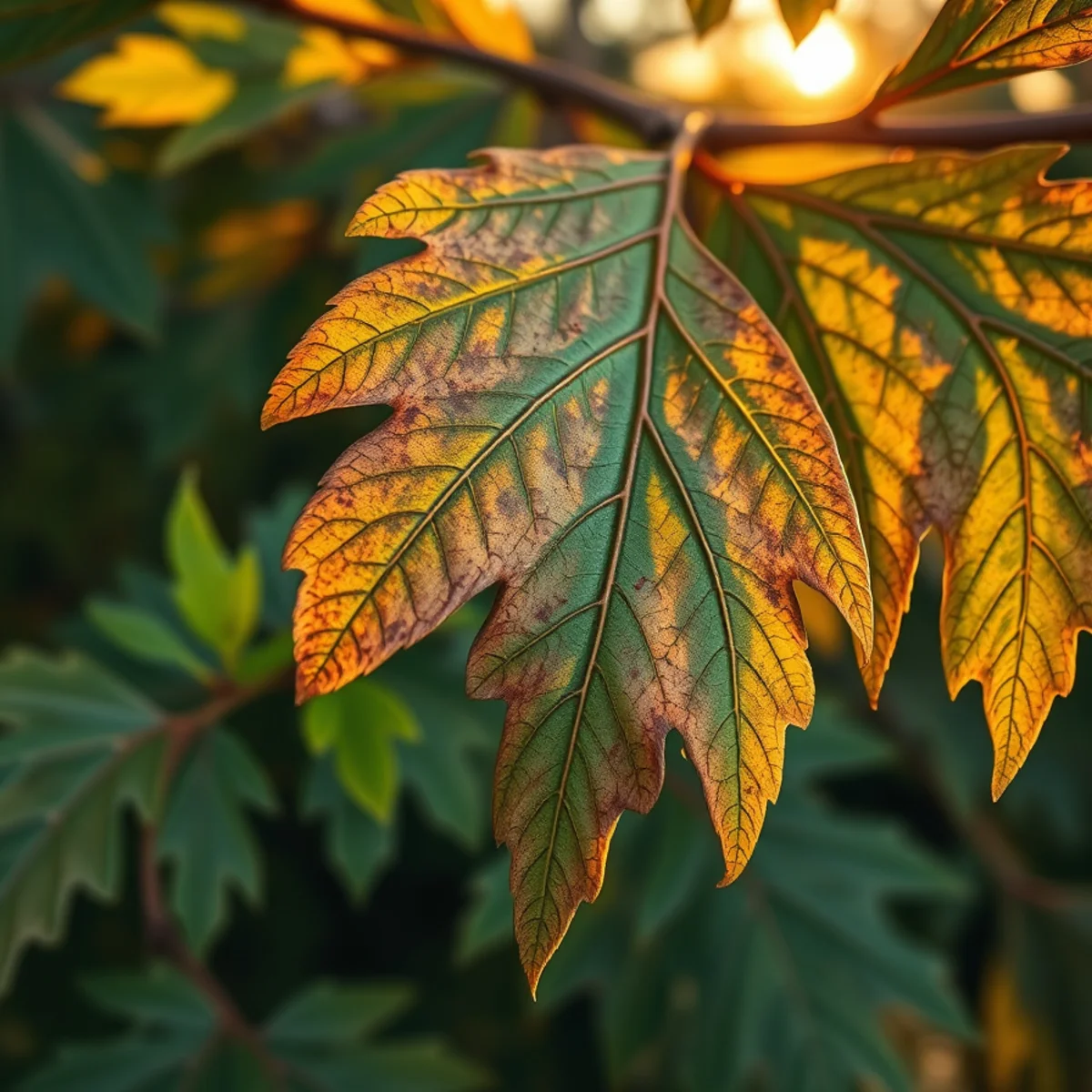
Oak Wilt in North Texas: Identification and Treatment
Oak wilt is one of the most serious threats to North Texas oaks. Here is how to spot it early, slow its spread, and weigh your treatment options.
Read Article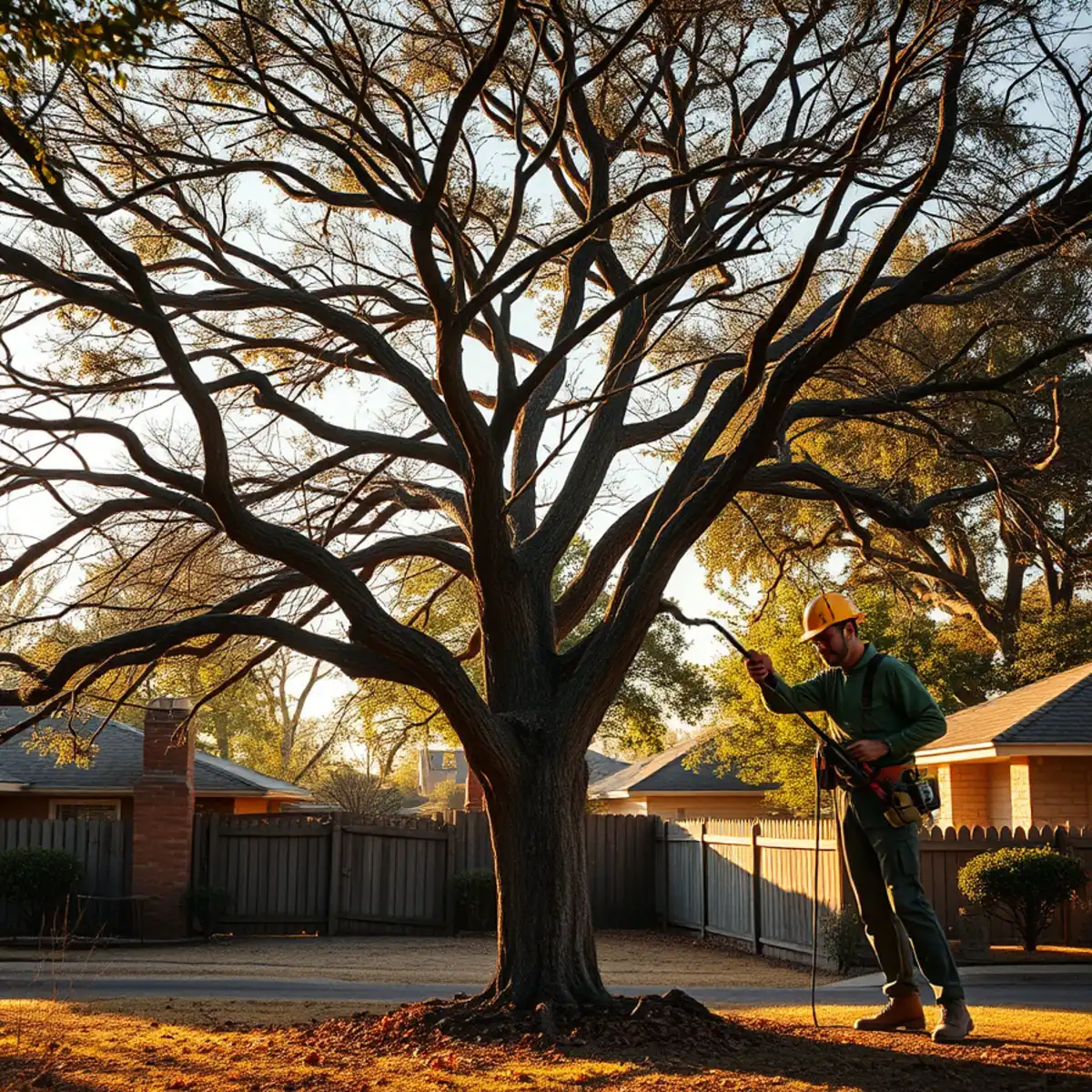 Tree Health
Common Tree Problems in North Texas
From oak wilt and drought stress to hypoxylon canker and freeze damage, here are the tree problems that hit DFW trees hardest and the early signs to watch for.
Read ArticleRelated Tree & Yard Services
Tree Pruning
Precise structural and health pruning that keeps your trees strong, safe, and beautiful.
Learn MoreArborist Services
Experienced arborist insight for tree health, risk and preservation across DFW.
Learn MoreTree Trimming
Expert tree trimming for healthier growth, better curb appeal, and safer clearance.
Learn MoreReady for Tree Health Care in Fort Worth?
Call Sion Tree Service for tree health care & disease treatment done safely, affordably, and cleanly — with a free, no-obligation estimate.
Open daily 6 AM–7 PM · Serving Fort Worth & the DFW metroplex