Common Tree Problems in North Texas
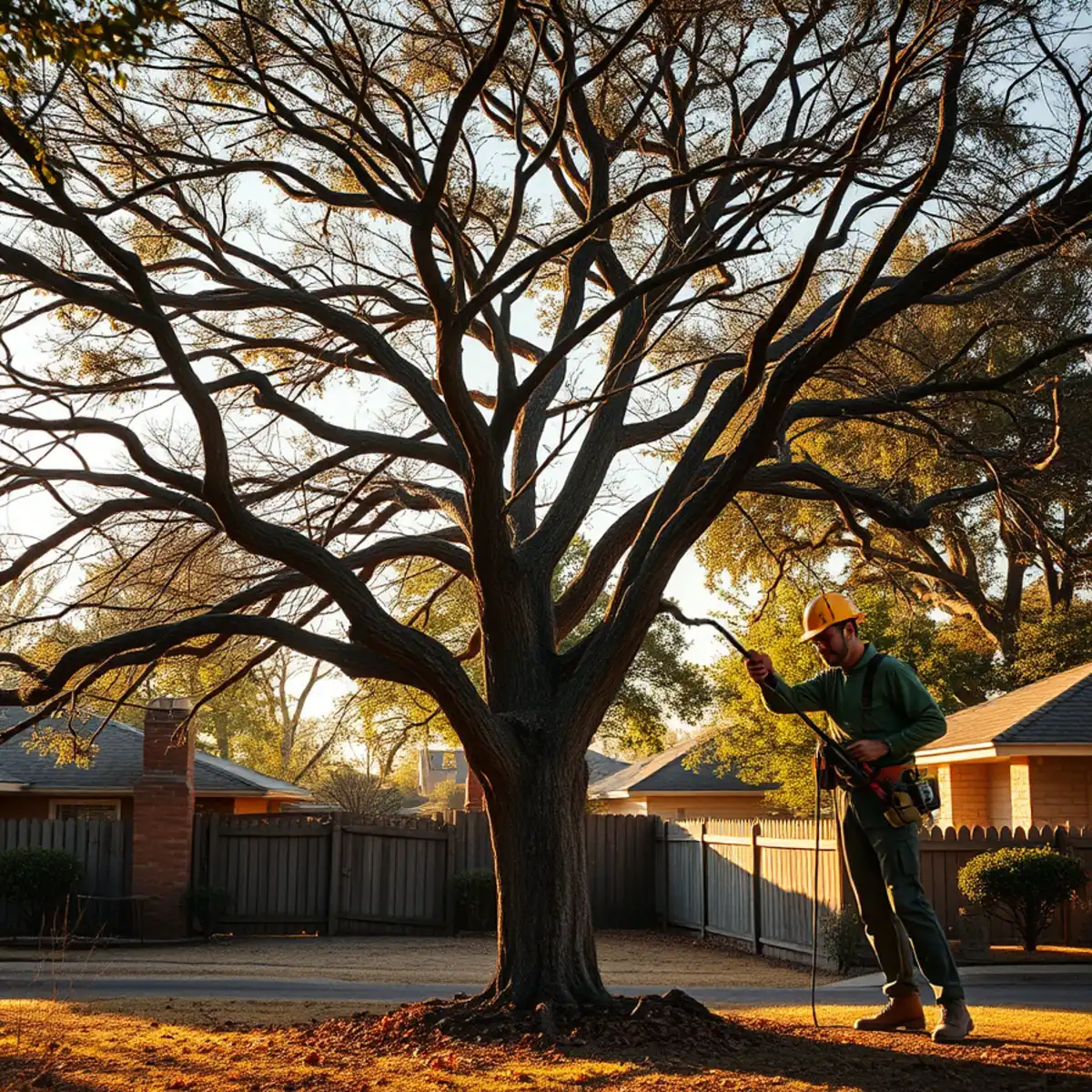
Trees in the Dallas-Fort Worth area live a tough life. Between long summer droughts, expansive clay soil that swells and shrinks, sudden hard freezes, and a few aggressive diseases that target our native oaks, a healthy tree can start declining faster than most homeowners expect. The good news is that most North Texas tree problems give off early warning signs months before a tree becomes a hazard.
This guide walks through the issues we see most often across Fort Worth and the broader DFW metroplex, what causes them, and what to watch for on your own property. Catching a problem early is almost always cheaper and safer than waiting until a limb fails or a tree has to come down.
Drought stress and our clay soil
Drought stress is the single most common issue we see on North Texas trees, and it sets the stage for almost everything else on this list. A tree weakened by lack of water becomes far more vulnerable to insects and disease. Our heavy clay soil makes it worse: when it dries out it pulls away from the roots and cracks, and when it finally rains, water often runs off before it ever soaks down to where the roots need it.
Watch for these signs of a thirsty or stressed tree:
- Leaves that scorch brown along the edges or tips, especially in mid to late summer
- Smaller-than-normal leaves, or leaves dropping early in late summer instead of fall
- Wilting that does not recover overnight
- Thinning canopy and dead twigs at the top and outer branches (dieback)
- Cracked, pulled-away soil around the base of the tree
The fix is usually slow, deep watering rather than frequent shallow watering. A long soak that reaches 8 to 12 inches deep around the drip line, every week or two during dry spells, does far more good than a daily sprinkle. A 2 to 4 inch layer of mulch over the root zone, kept a few inches off the trunk, holds moisture and moderates soil temperature. Avoid piling mulch against the bark in a volcano shape, which traps rot.
Oak wilt: the disease to take seriously
Oak wilt is a fungal disease that spreads through North Texas and can kill a red oak in a matter of weeks. Live oaks are also highly susceptible because their roots graft together underground, letting the fungus move tree to tree across a neighborhood. Red oaks, in particular, can act as the source that starts a new infection center through fungal mats that attract sap-feeding beetles.
What to watch for:
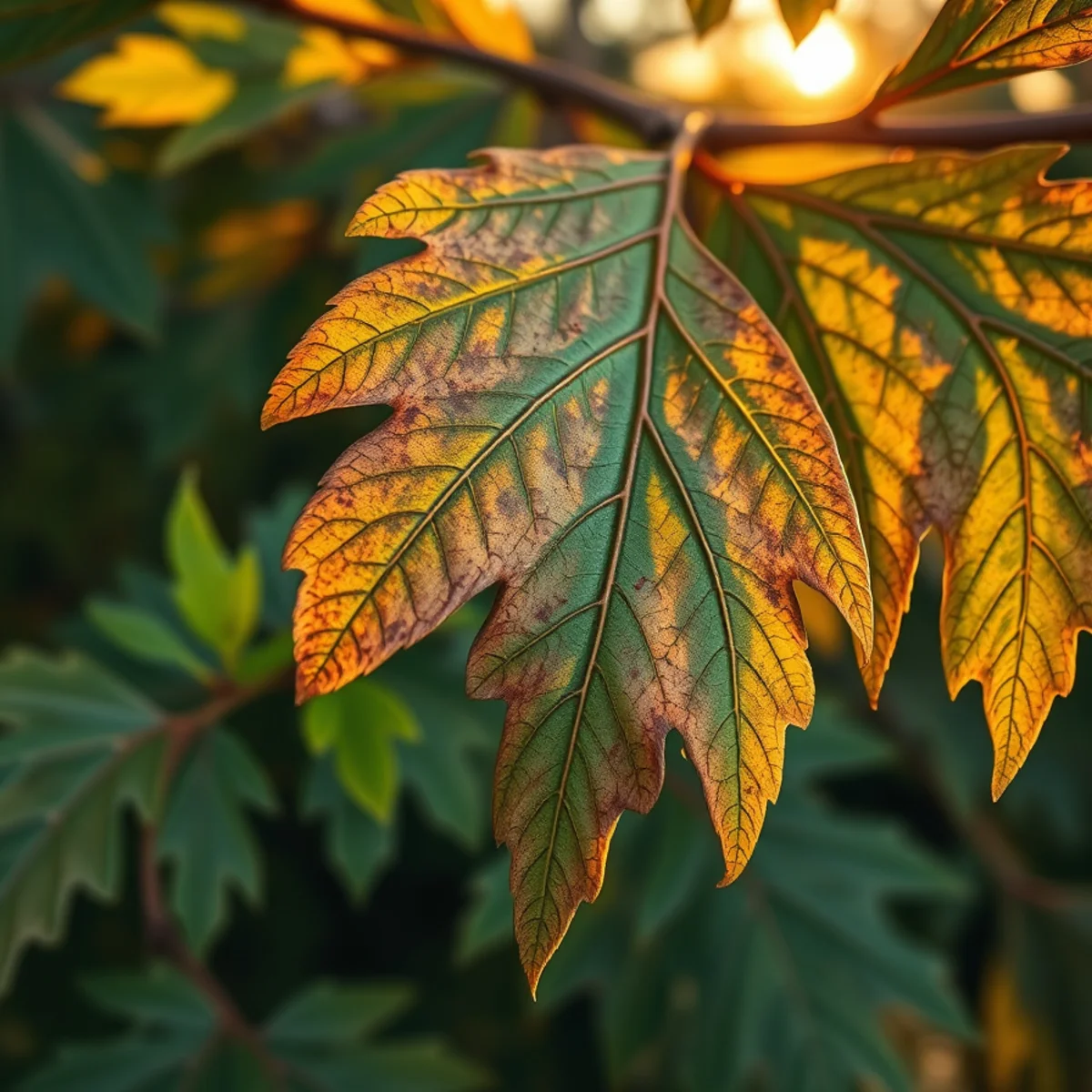
- On live oaks: veinal necrosis, where the veins of the leaf yellow or brown while tissue between stays greener, followed by heavy leaf drop
- On red oaks: rapid wilting and browning of the whole canopy, often from the top down, sometimes in a single season
- A line of declining oaks moving outward through connected trees
The most important prevention rule in our area is timing: do not prune oaks between February and June, when the beetles that carry the spores are most active. If a storm breaks an oak limb during that window, paint the fresh wound immediately with pruning sealer. This is the one case where wound paint is recommended, because the risk of infection outweighs the usual advice to let cuts heal naturally. If you suspect oak wilt, it is worth having a professional confirm it, because management often involves coordinating with neighbors and severing root connections.
Hypoxylon canker and cotton root rot
These two problems tend to show up on trees that are already stressed, and both are difficult to reverse, which is why prevention through good tree health matters so much.
Hypoxylon canker
Hypoxylon is an opportunistic fungus that lives on many oaks and other hardwoods without causing harm until the tree is weakened by drought, root damage, or construction. Then it moves in. The classic sign is bark that sloughs off to reveal a dusty, brownish to silver-gray fungal layer underneath, often on large limbs or the trunk. By the time you see it, the affected wood is usually dead, and limbs can become brittle and hazardous. There is no cure once it takes hold, so the response is to keep the tree as healthy and well-watered as possible and to remove dangerous deadwood.
Cotton root rot
Cotton root rot is a soil-borne fungus that thrives in our alkaline clay soils during hot weather. It attacks the roots, and the first sign above ground is often sudden wilting in summer, with the leaves staying attached to the tree rather than dropping. A tree can decline very quickly. The fungus persists in the soil, so replacing a lost tree with a resistant species in that spot is usually smarter than planting another susceptible one.
Pests that target stressed trees
Most insect problems in North Texas are secondary, meaning they pile onto a tree that is already struggling. Healthy, well-watered trees usually shrug off the same pests that overwhelm a stressed one. Common culprits include:
- Boring insects that tunnel under the bark, leaving small entry holes, sawdust-like frass, or D-shaped exit holes, often a sign of an already-declining tree
- Scale and aphids, which coat leaves and twigs in sticky honeydew that turns black with sooty mold
- Spider mites during hot, dry stretches, causing stippled, dusty-looking foliage
- Webworms building unsightly silk nests on branch tips in pecans and other hardwoods in late summer
Because pests so often follow stress, the best long-term defense is keeping trees vigorous with proper watering, mulching, and pruning. Reaching for an insecticide without addressing the underlying stress rarely solves the real problem.
Freeze and storm damage
North Texas weather swings hard. The February 2021 freeze damaged or killed trees and shrubs across DFW, and we still see lingering effects on species that are marginal for our climate. Hard freezes can split bark, kill branch tips, and stress root systems, with damage sometimes not showing up until the following summer when the tree fails to leaf out fully.
Spring brings the opposite threat: hail, high winds, and storms that snap limbs and uproot trees. After a storm, look for hanging or cracked limbs, fresh splits where branches meet the trunk, lifted soil or exposed roots, and a tree leaning more than it used to. These are safety issues, and storm-damaged limbs over a house, driveway, or power line should be assessed by a professional rather than tackled from a ladder.
What to watch for, and when to call
You do not need to be an arborist to catch most problems early. Walk your property a few times a year and look for the warning signs that tend to mean a tree needs attention:
- Dead branches in the upper canopy or branch tips that never leaf out
- Mushrooms or conks growing at the base of the trunk or on roots, which can signal internal decay
- Bark that is cracking, peeling, or revealing discolored wood underneath
- A sudden lean, lifted soil, or cracks in the ground near the base
- Leaves that scorch, yellow, or drop well before fall
- Fine sawdust, frass, or many small holes in the bark
Many of these issues are manageable when caught early through proper watering, mulching, well-timed pruning, and removing hazards before they fail. The trick is knowing which signs are cosmetic and which point to a serious decline, and that is where a trained set of eyes pays off.
If something on your trees has you concerned, Sion Tree Service offers free estimates across Fort Worth and the DFW metroplex. We are licensed and insured, locally owned, and known for honest pricing and a thorough clean-up on every job. Give us a call at (208) 635-2100, and we will take an honest look at what is going on and walk you through your options.
Iron chlorosis and nutrient lockout in alkaline soil
A lot of yellowing trees in DFW are not thirsty and they are not diseased, they are starving in plain sight. Much of the Blackland Prairie and the clay that sits over it is strongly alkaline, often well above a pH of 7. At that pH, iron and manganese stay chemically locked in the soil where roots cannot pull them up, even though the nutrients are physically present. The result is iron chlorosis, and it is one of the more common problems we get called about that has nothing to do with watering.
The tell is in the leaves. Chlorosis shows up as foliage that turns pale yellow or even creamy white while the veins stay a darker green, giving the leaf a green-netted look. It usually hits the newest growth at the branch tips first, since that tissue needs iron the most. Over years, a chronically chlorotic tree thins out, suffers tip dieback, and becomes a setup for the secondary pests and canker problems that pile onto any weakened tree here.
Some species are far more prone to it than others in our soil:
- Red oaks and especially pin oaks, which are poorly matched to high-pH clay and often decline within a decade of planting
- Sweetgum, river birch, and bald cypress planted on dry upland sites instead of the moist bottoms they prefer
- Photinia, azalea, and other acid-loving shrubs that simply should not be in this soil
- Maples planted in heavy alkaline clay, which often scorch and yellow at the same time
Foliar iron sprays green a tree up fast but only treat the leaves they touch, so the fix is temporary. Longer-lasting options work at the root zone: soil-applied elemental sulfur to nudge the pH down over a season, or chelated iron and acidifying drenches worked into the soil that can hold for two to three years. The most reliable fix of all is choosing the right species for high-pH clay in the first place, which is why bur oak, cedar elm, Texas red oak on the correct sites, and other natives tend to stay green while pin oaks struggle a few yards away.
Root flare, girdling roots, and construction decline
Some of the worst tree problems we see in North Texas start at planting day or at the property line during a new build, and they stay invisible for years. A tree set too deep, or with its root flare buried under mulch and soil, slowly suffocates the root collar. Roots that circled inside a nursery container keep circling after planting and, a decade or more later, wrap around the trunk and choke off the tree's own plumbing. This is why a tree that looked fine for fifteen years can suddenly thin out and decline with no obvious cause.
A healthy tree should show a clear flare where the trunk widens into the roots at ground level, like the base of a wine bottle. If your trunk goes straight into the dirt like a telephone pole, the flare is buried and the tree is at risk. Watch for these warning signs at the base:
- No visible root flare, or mulch piled in a volcano against the bark
- A root crossing over or pressing against the trunk just below the soil line
- Bark that is sunken, dark, or peeling on one side of the lower trunk
- Thinning or dieback on the same side of the canopy as a girdling root
- Sparse upper-canopy growth on an otherwise established tree with no other explanation
New construction is the other quiet killer, and the DFW building boom has made it common. Heavy equipment, stockpiled materials, and constant traffic compact our clay until it is nearly airless, and adding even a few inches of fill dirt over the root zone smothers the roots underneath. The cruel part is the timeline: decline from construction damage and soil compaction often takes three to seven years to surface, long after the builder is gone, usually showing first as dieback in the top of the canopy. Native post oaks are especially unforgiving here, which is why so many of them fail a few years after a house goes up around them. Protecting the root zone with fencing during a build, and avoiding grade changes near established trees, prevents far more loss than any treatment can reverse afterward.
FAQs
Avoid pruning oaks from February through June, when the beetles that spread oak wilt are most active. If a limb breaks during that window, paint the fresh wound right away with pruning sealer to reduce the risk of infection.
Look for leaves that scorch brown along the edges, smaller or early-dropping leaves in late summer, wilting that does not recover overnight, and dead twigs in the upper canopy. Cracked, pulled-away soil around the base is another common sign in our clay.
Most insect problems here are secondary, meaning they target trees already weakened by drought, root damage, or disease. Keeping a tree healthy with deep watering, mulch, and proper pruning is usually the most effective defense against pests.
That green-veined yellowing is iron chlorosis, caused by our alkaline clay soil locking up iron so the roots cannot absorb it. It is most common on pin oaks and red oaks, which are poorly suited to high-pH soil. Soil-applied sulfur or chelated iron helps, but matching the right species to our soil is the lasting fix.
Set the tree so the root flare, where the trunk widens into the roots, sits at or slightly above the natural grade, never buried. In our heavy clay that drains poorly, planting too deep suffocates the roots and invites rot, and it is a leading cause of decline years down the road. If your established tree has no visible flare, soil and mulch may need to be pulled back from the trunk.
Yes, and it often does not show up right away. Soil compaction from equipment, fill dirt added over the roots, and cut roots during a build can take three to seven years to cause visible decline, usually starting as dieback in the upper canopy. Post oaks are especially sensitive, so fencing off the root zone before work begins is the best protection.